Futteral after Hermann von Goch
Project material
vegetabletanned cowhide, waxed linen thread, sewing needles, animal glue, vinegaroon
09. 07. 2026
From Die Latrine des Augustinereremiten-Klosters in Freiburg im Breisgau, Materialhefte zur Archäologie in Baden-Württemberg, Heft 31, Page 171:
The original piece is 7,7cm in height and 2,7cm in width. Hermann von Goch was a wholesale merchant and was executed in 1398. He had this futteral on his person when he was arrested beforehand.
“Für den Typ des kleinen kastenförmigen Futterals (konstruiert aus den Fragmenten Taf. 43; Abb. 48) lassen sich unter den Behältnissen, die der Kölner Großkaufmann Goch zum Zeitpunkt seiner Gefangennahme bei sich trug (Hinrichtung 1398), zwei passende Vergleichsstücke finden. In dem Resümee über Messer-scheiden war schon von diesem wichtigen Inventar die Rede, das bereits 1883 von J. Hefner von Alteneck auszugsweise publiziert wurde.133 Das kleinere Kästchen-futteral (H. 7,7 cm, B. 2,7 cm), in Seitenansicht wiedergegeben (Abb. 49), zeigt, wie die Verbindung von Deckelaufsatz und Behälter gelöst war, nämlich durch Schlitzöffnungen bzw. Hülsen an den Schmalseiten. Zum Öffnen wurde der Deckel an beiden Bändern hochgeschoben, ohne daß das Futteral vom Gürtel gelöst werden mußte. Das Innere ist in zwei Fächer aufge-teilt, acht große silberne Stecknadeln waren darin auf-bewahrt. Das erscheint bei einem Mann als Besitzer zunächst überraschend. Wahrscheinlich hatten diese Nadeln aber die Funktion der heutigen Sicherheitsnadel, die man als eine Art »Rückversicherung« bei sich führte. …”
25. 03. 2026
23. 03. 2026

03. 03. 2026
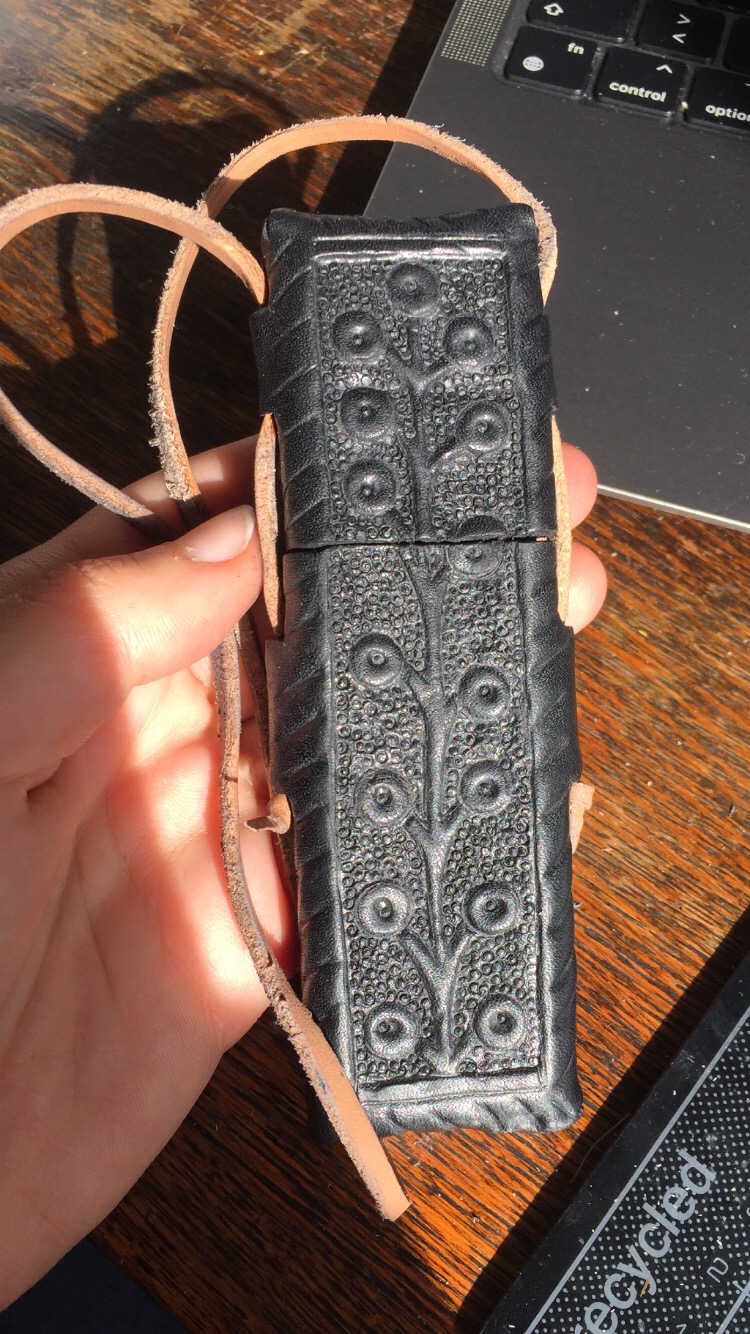
For the vinegaroon to dye the futteral, I put 2 pieces of steel wool into a mixture of vinegar essence and let it sit for the steelwool to desintegrate. Thus, one creates ferric acetate, which forms complexes with the tannins in the vegetable-tanned leather (this is why you need to use vegetable-tanned leather for this, otherwise it won’t work). Upon drying, the leather will permanently become jet black.
23. 03. 2026
21. 03. 2026
------2026
16. 03. 2026
11. 03. 2026
03. 03. 2026
------2026
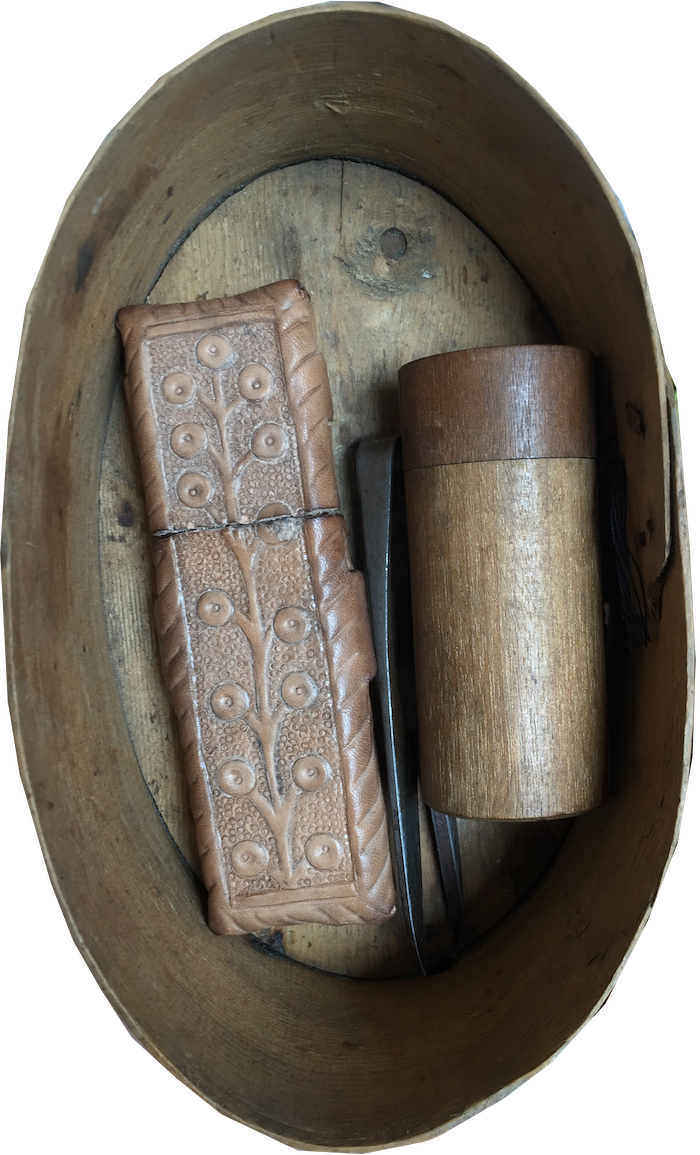
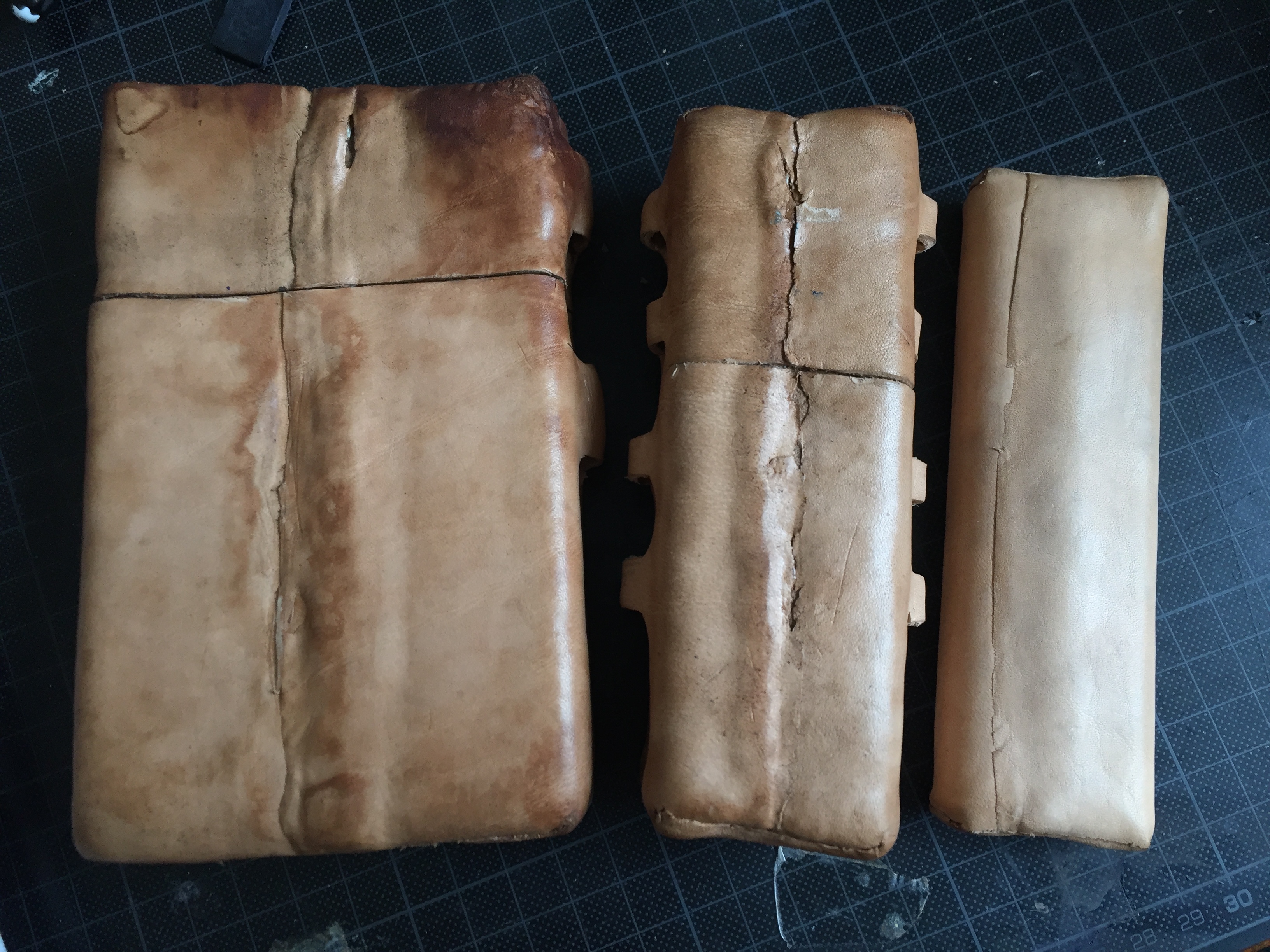
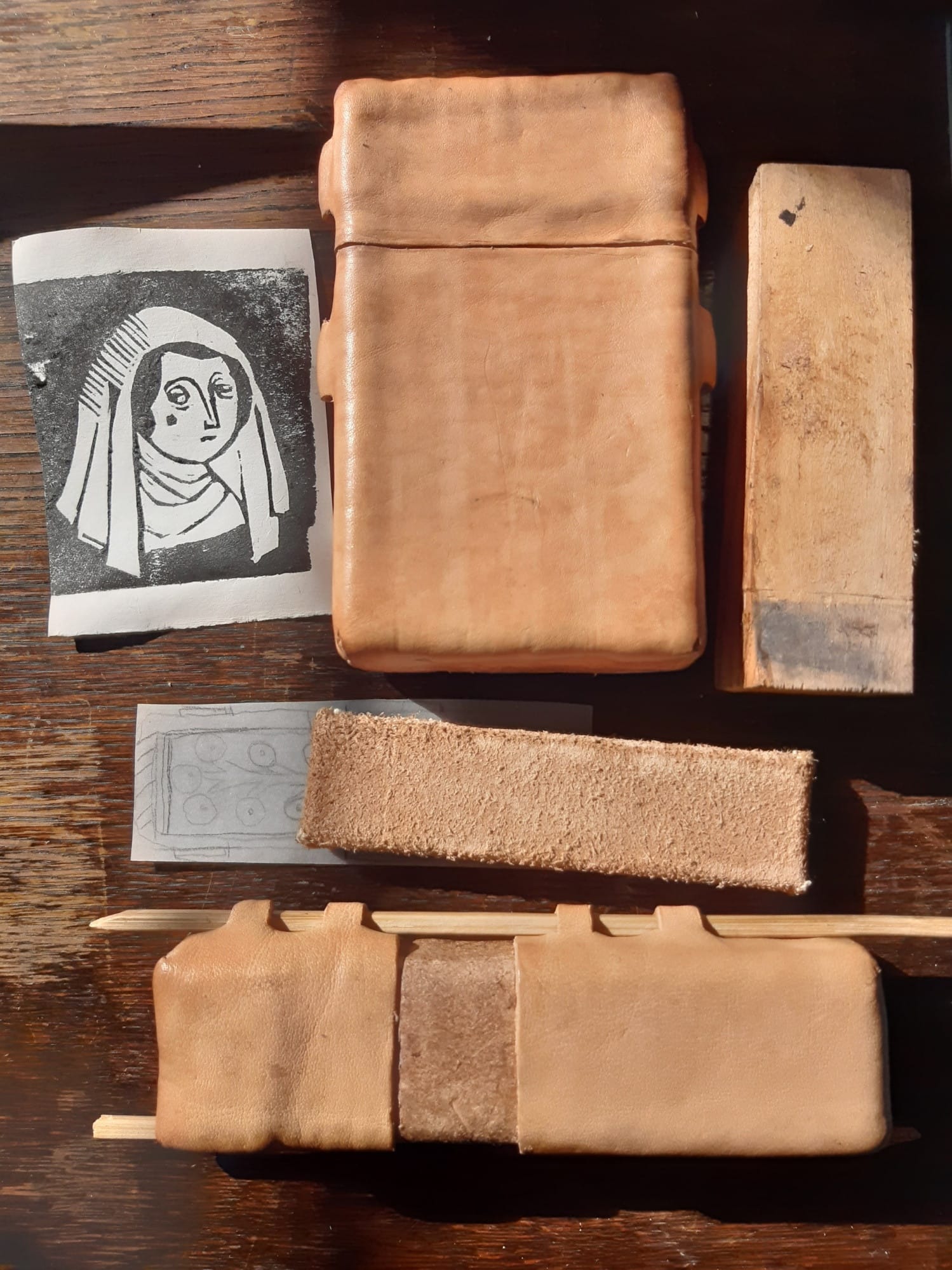
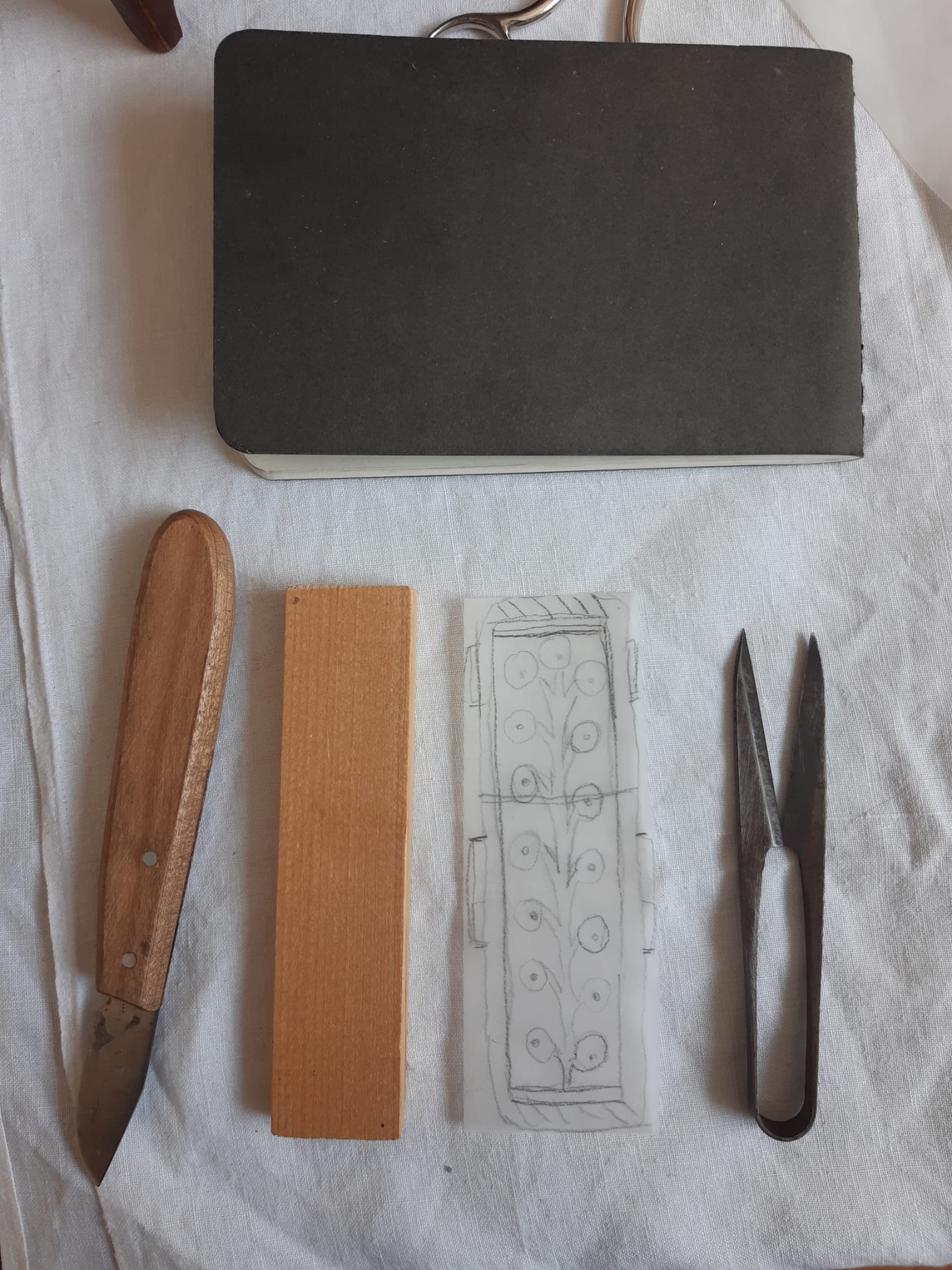
The extant futteral held silver pins. Thus one can imagine it was quite small. I’ve decided to make a slightly larger version so it can fit my thread snips.
------2026
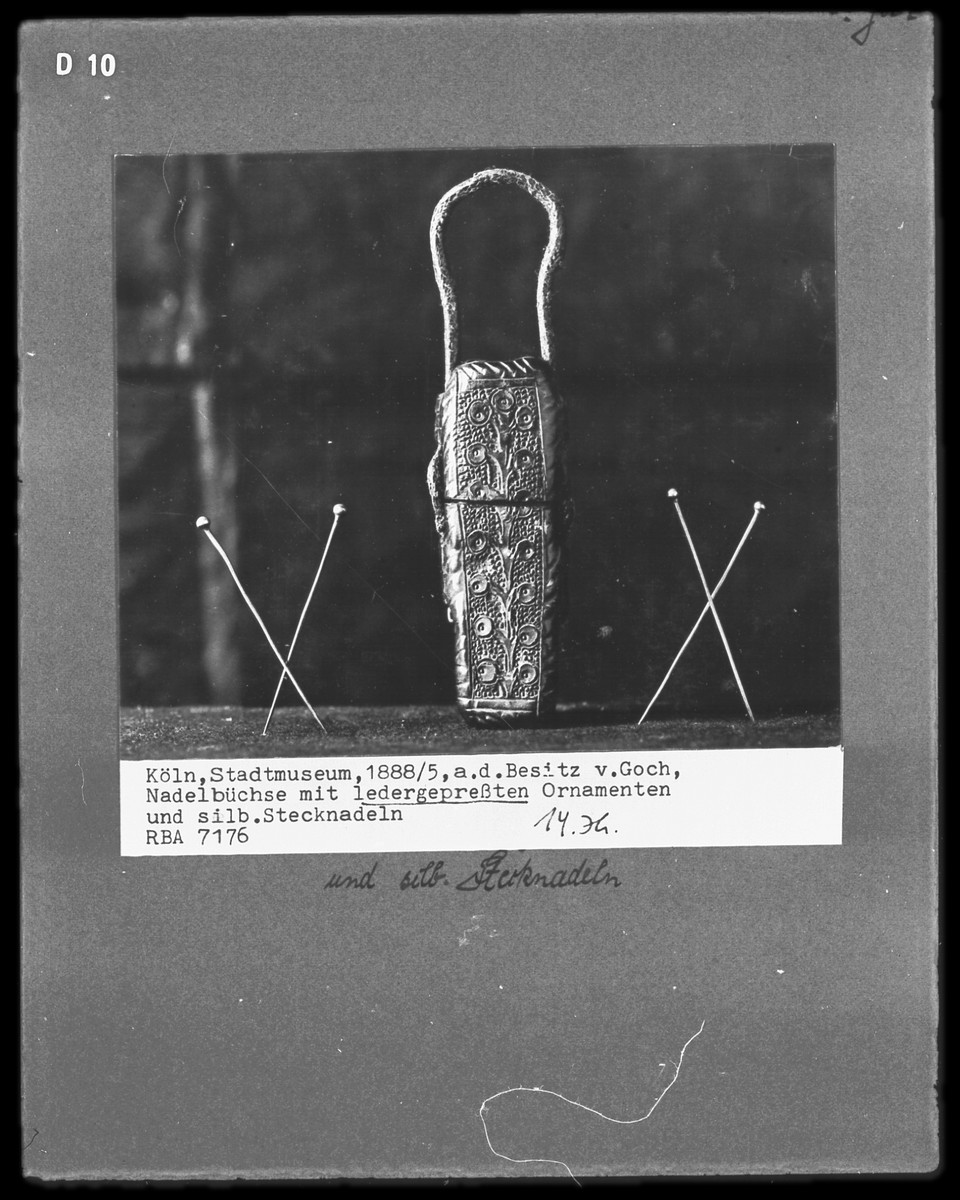
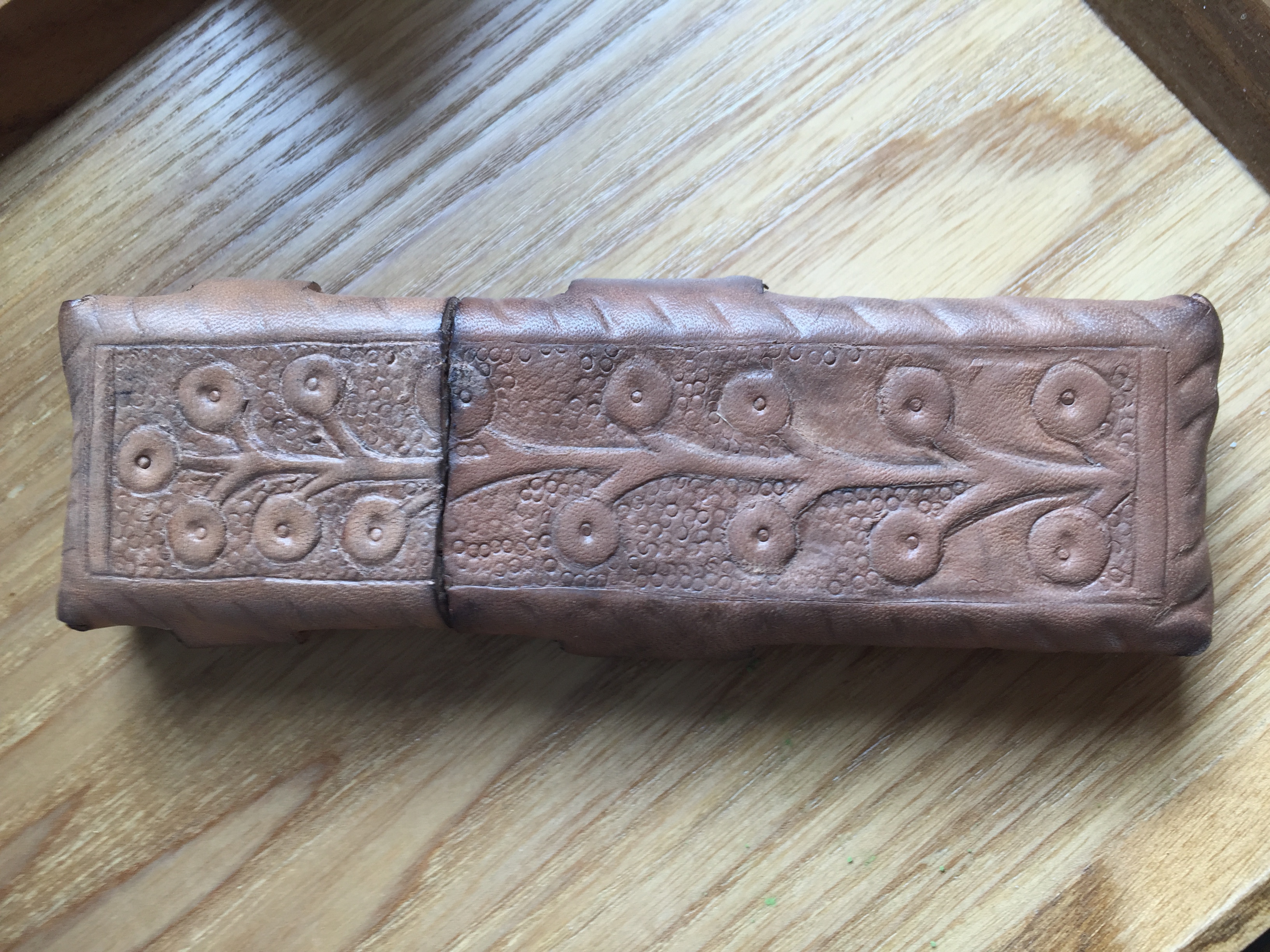
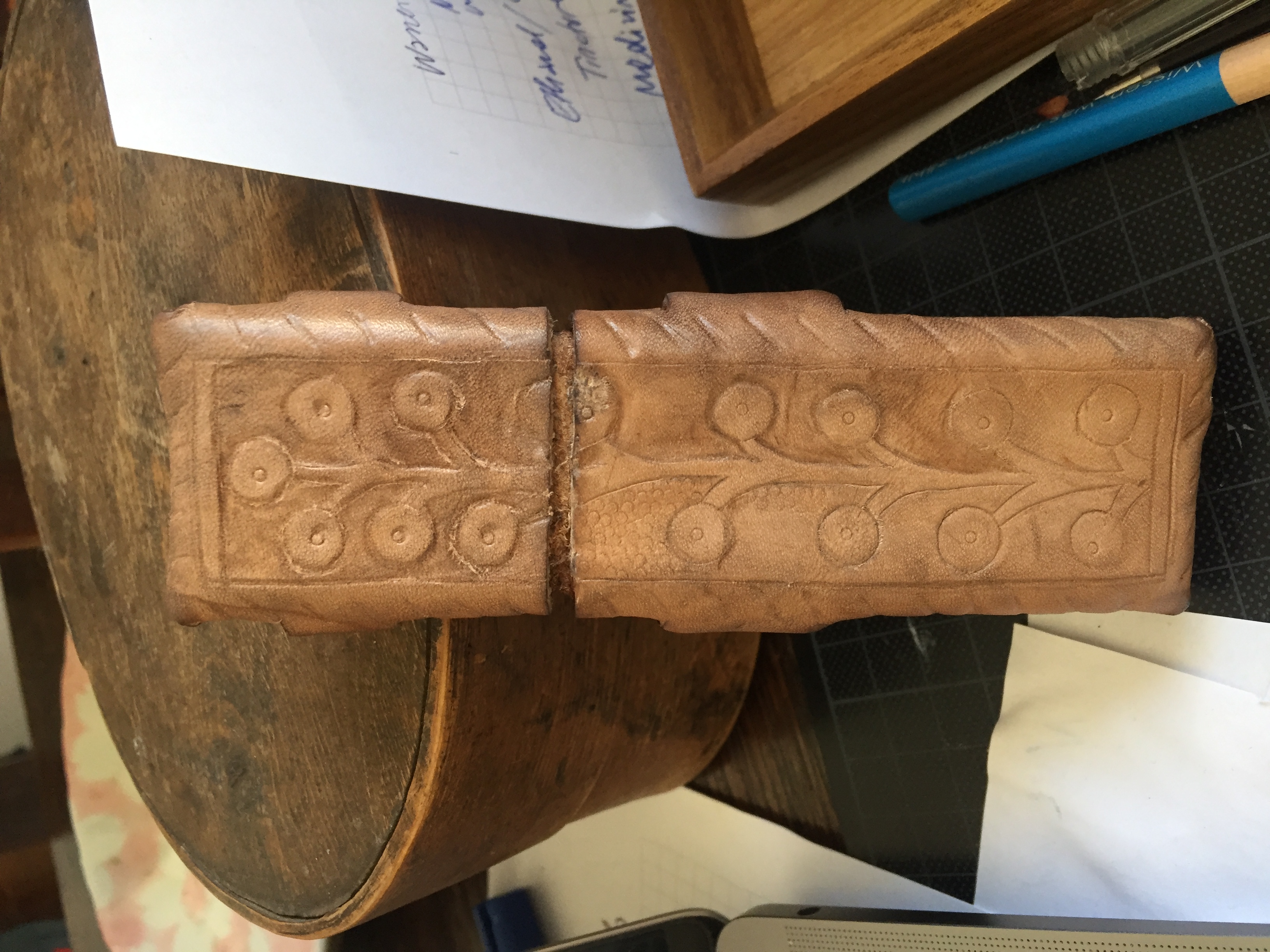
I am a big fan of the simple yet striking pattern on this futteral and want to recreate it.